The Cibeles Fountain and the Puerta de Alcalá: Symbols of Monumental Madrid
Welcome to the heart of monumental Madrid, an axis where history, art and urban life come together in perfect harmony. The Cibeles Fountain and the Puerta de Alcalá are not only major architectural landmarks; they are also guardians of the “Landscape of Light” (Paisaje de la Luz), a UNESCO World Heritage Site. We invite you to discover these iconic monuments, located just a short distance from other key landmarks, forming an essential part of the must-see places in Madrid.
What to See and Do Along the Cibeles–Alcalá Axis
The Cibeles Fountain and the Telecommunications Palace
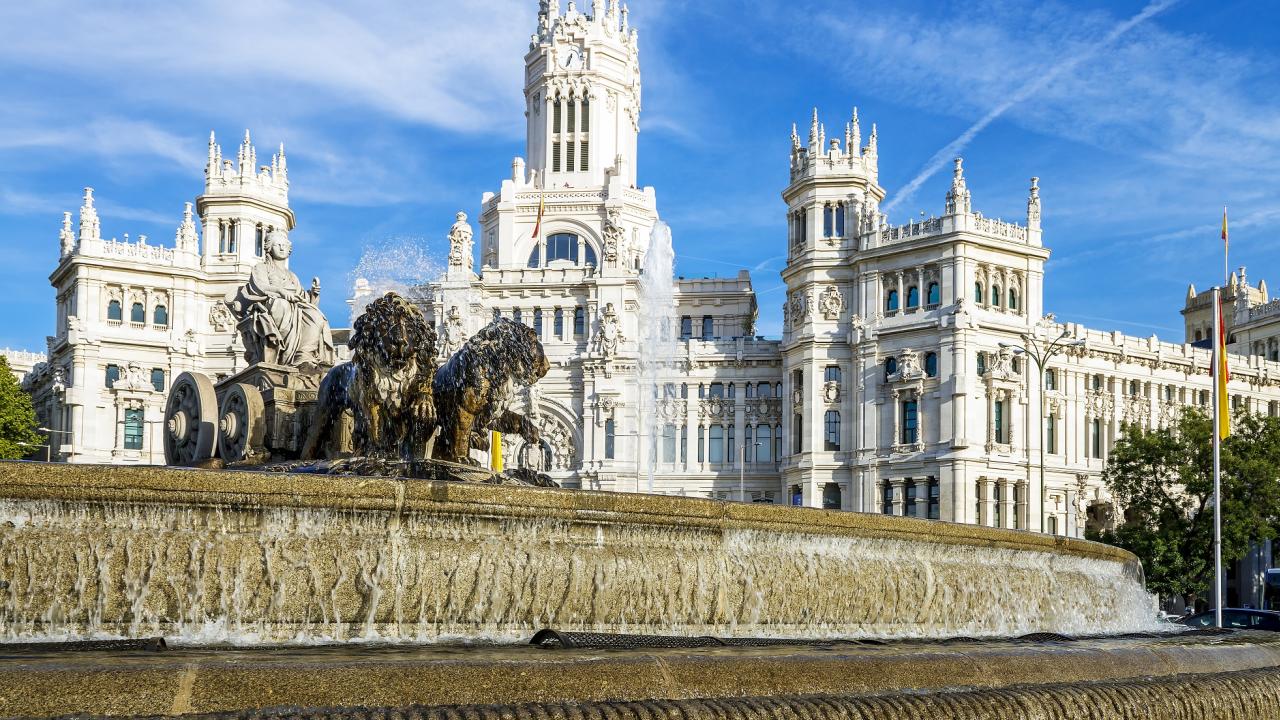
The Cibeles Fountain, designed by Ventura Rodríguez, depicts the goddess of the Earth riding a chariot pulled by marble lions. It stands at the heart of Plaza de Cibeles, surrounded by monumental buildings such as the Cibeles Palace (now Madrid’s City Hall and panoramic viewpoint), the Bank of Spain, and the Linares Palace. This landmark is not only an artistic icon but also the traditional gathering point where Real Madrid celebrates its major sporting and historic victories.
The Puerta de Alcalá: Sabatini’s triumphal arch
Just a few meters away, in Plaza de la Independencia, stands the Puerta de Alcalá. Commissioned by King Charles III, it was the first monumental triumphal arch of its kind in Europe since the fall of the Roman Empire. Designed by Francesco Sabatini, it is notable for having two distinct façades and for preserving historical marks that reflect the city’s evolution. Its location, next to the main entrance of El Retiro Park, makes it a symbolic gateway to elegant, aristocratic Madrid.
Curiosities and secrets of the “Landscape of Light”
Visiting these monuments reveals fascinating details: from the underground connection between the fountain and the Bank of Spain’s gold vaults, to the royal inscriptions on the Puerta de Alcalá celebrating the modernization of the capital. Both landmarks are part of a pedestrian cultural route that connects art, nature and science, reinforcing Madrid as a world-class cultural destination.
The Cibeles Fountain: Icon of the Enlightenment and the Heart of Madrid Life
Located at the intersection of Paseo del Prado and Calle de Alcalá, the Cibeles Fountain stands at the heart of King Charles III’s legacy. This 18th-century masterpiece, carved from Toledo marble, goes beyond its artistic value to become a true symbol of national identity. Its strategic location directly connects it with Madrid Centro, allowing visitors to reach the iconic Puerta del Sol on foot in just a few minutes.
A cultural and sporting landmark of international relevance
The goddess Cybele, seated on her chariot pulled by lions, is globally recognized for her neoclassical beauty and as the stage for the city’s most important celebrations. As a cultural landmark, its preservation is essential, as it acts as a bridge between Madrid’s major museum district and its historic old town.
Architecture and urban setting: the Cibeles Palace surroundings
Surrounded by exceptional buildings such as the Cibeles Palace (Madrid City Hall) and the Bank of Spain, the fountain plays a key role in Madrid’s urban design. It is a perfect example of how historic heritage is integrated into the life of a modern capital, connecting the elegance of grand boulevards with the vibrant atmosphere of Plaza Mayor and its surrounding historic districts.
The Puerta de Alcalá: Spain’s Most Iconic Triumphal Arch
The Puerta de Alcalá is arguably the most photographed monument in the city. Designed by Francesco Sabatini in 1778, it was the first major monumental city gate built in Europe after the Roman era. As one of the five former royal gates, it remains today the most prestigious gateway to Madrid’s must-see attractions.
Curiosities of a unique asymmetrical façade
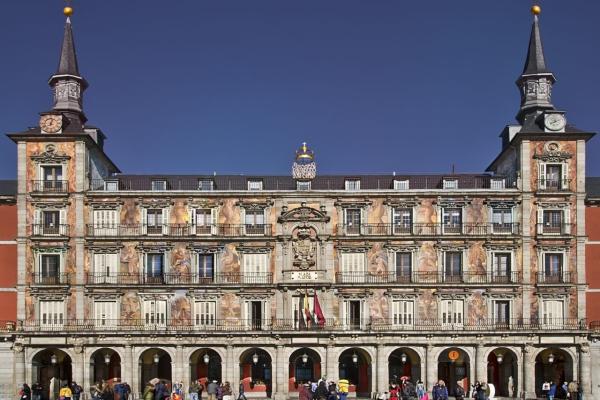
From an architectural perspective, the Puerta de Alcalá stands out for a remarkable feature: its two façades are decorated differently. This detail reflects the richness and diversity of styles that visitors encounter when exploring the heart of Madrid, from the grandeur of this triumphal arch to the traditional charm of Plaza Mayor.
Connection with the “Landscape of Light” and historic Madrid
Its privileged location makes it the noble entrance to El Retiro Park, but also the starting point of a scenic walk that descends through Cibeles and ends at Puerta del Sol. This axis forms one of the world’s most highly regarded cultural itineraries, linking art, history and urban life in the heart of Madrid.
Official recommendations for your visit
To ensure a high-quality experience during your stay in the capital, we recommend planning your visit by combining these monuments with the rest of the historic city centre:
Recommended itinerary
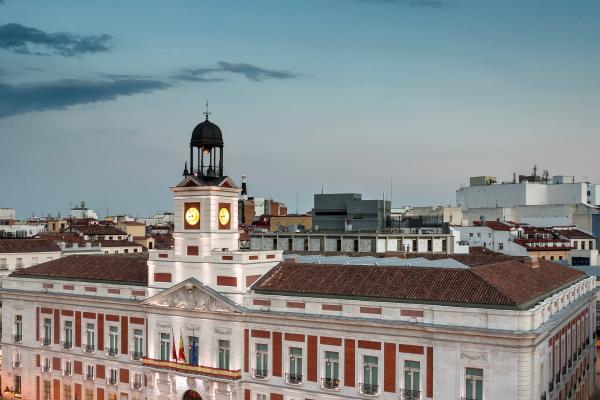
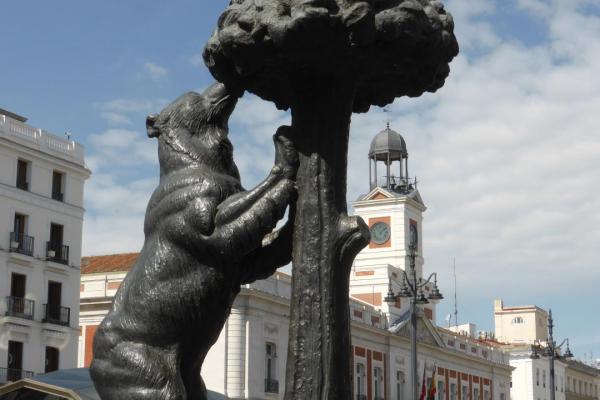
Start your morning at the Puerta de Alcalá, walk down towards Cibeles, and continue along Calle de Alcalá until you reach Puerta del Sol and Plaza Mayor, completing one of the essential routes of things to see in central Madrid.
Photography and viewpoints
The nighttime illumination of these monuments is a unique spectacle. We recommend the Cibeles Palace viewpoint for a panoramic view that stretches from Gran Vía to the oldest rooftops of the city.
Visitor information
Don’t forget to check our events calendar to stay updated on current exhibitions, cultural activities and seasonal programs during your visit.