La Latina & El Rastro: Madrid’s Historic Streets, Tapas & Flea Market
La Latina is the heart of traditional Madrid and one of the best-located neighborhoods for visitors exploring the city. Its medieval streets form a historic maze that every Sunday leads to El Rastro, Spain’s most famous open-air flea market. One of La Latina’s greatest advantages is its strategic location, just a short walk from many of Madrid’s top attractions.
From here, you can reach Plaza Mayor and Puerta del Sol in less than 10 minutes on foot, while the monumental complex of Palacio Real de Madrid and Catedral de la Almudena is just around the corner.
Visiting this area is the perfect complement after a morning in Parque del Retiro or a shopping session along Gran Vía, offering a more authentic and local side of Madrid filled with tapas bars, historic taverns, and lively atmosphere
What to See in La Latina: Much More Than Sundays
Although Sunday is the neighborhood’s most famous day thanks to El Rastro, La Latina is worth visiting any day of the week for its historic heritage, bohemian atmosphere, and traditional Madrid character.
La Cava Baja & La Cava Alta
These historic streets are the heart of Madrid’s tapas culture. Cava Baja is especially famous for its concentration of traditional taverns and some of the city’s oldest inns, where visitors can enjoy everything from huevos rotos and Iberian ham to local wines and vermouth.
Plaza de la Paja & Iglesia de San Andrés
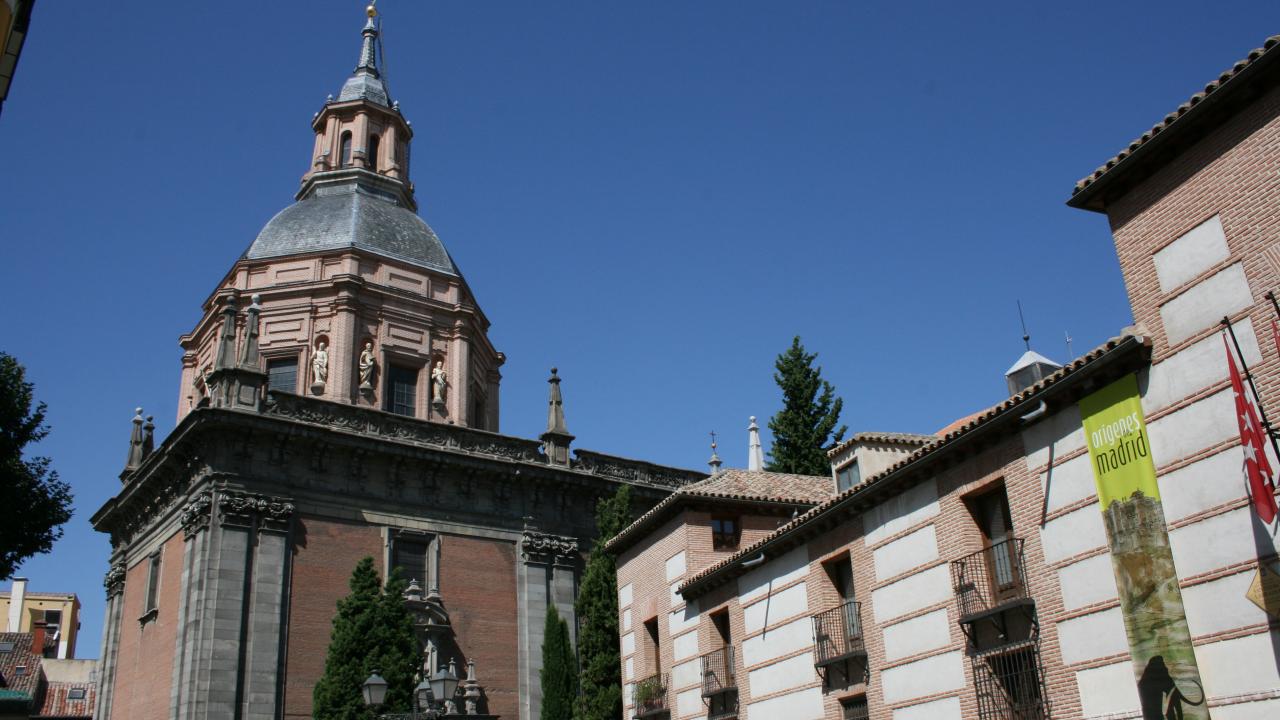
One of the most beautiful and peaceful corners of the neighborhood, Plaza de la Paja was once Madrid’s medieval commercial center. Nearby, Iglesia de San Andrés stands out for its impressive dome and its historic connection to Madrid’s patron saint, San Isidro.
Museo de San Isidro & the Origins of Madrid
If you want to understand how Madrid began, this free museum is an essential stop. Located in the former palace of the Counts of Paredes, it tells the story of Madrid from prehistoric times to the arrival of the Spanish royal court.
El Rastro: The Sunday Heart of La Latina
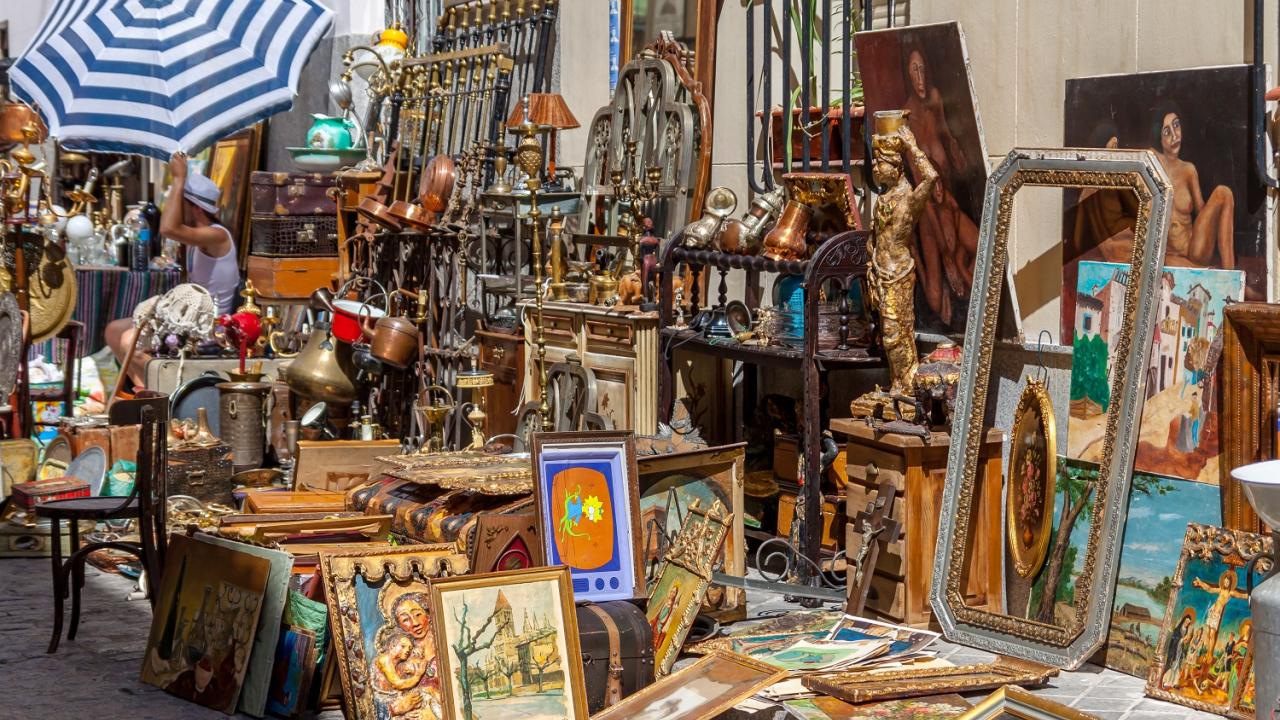
El Rastro: The Sunday Soul of La Latina
El Rastro is the market that defines the identity of La Latina. While its main activity takes place along Ribera de Curtidores, the atmosphere spreads across nearby squares and surrounding streets every Sunday.
Ribera de Curtidores & the Market Squares
The main street is filled with everything from clothing and antiques to traditional hardware stalls. However, the true charm of El Rastro lies in its side squares, such as Plaza de Cascorro and Plaza del General Vara del Rey, ideal for discovering vintage objects, collectibles, and hidden treasures.
The Vermouth & Tapas Ritual
After exploring the market, the classic Madrid tradition is to stop for vermouth, beers, and tapas in the bars of La Latina. Traditional taverns around El Rastro serve specialties such as snails, tostas, cured meats, and the famous calamari sandwich, creating one of the most authentic food experiences in Madrid.
Tips for Visiting La Latina & El Rastro
Practical Tips to Move Around Like a Local in La Latina
To experience the area like a true Madrileño, keep these practical recommendations in mind:
Getting there
The easiest way to reach the neighborhood is by Metro. Take Line 5 and get off at La Latina or Puerta de Toledo stations. Both provide direct access to the heart of the area and its main streets.
Opening hours
El Rastro is open only on Sundays and public holidays, from approximately 09:00 to 15:00.
In contrast, La Latina comes alive every afternoon and evening, especially from Thursday to Saturday, when its tapas bars and terraces are at their busiest.
Safety tips
As with any busy street market, keep an eye on your belongings at all times, particularly in the most crowded areas of El Rastro. Pickpocketing prevention is simple: use zippers, keep bags in front of you, and stay aware in dense crowds.
Frequently Asked Questions about La Latina
What can I visit near La Latina?
Being in the heart of Madrid, La Latina is just steps away from major landmarks such as Palacio Real de Madrid, Catedral de la Almudena, and Mercado de San Miguel. It is also close to many of the city’s “must-see” attractions in central Madrid.
When does El Rastro take place?
El Rastro is held every Sunday and public holiday, usually from 09:00 to 15:00.
What area of Madrid is La Latina?
La Latina is a central neighborhood within the Centro district. It borders historic areas such as the Madrid de los Austrias, Lavapiés, and Embajadores.
What are the best streets for tapas in La Latina?
The most famous street is Cava Baja, followed by Cava Alta, Calle del Almendro, and Calle de la Libertad. These streets are packed with traditional tapas bars and historic taverns.
Can I visit El Rastro with children or pets?
Yes, it is a family-friendly activity. However, it is recommended to go early (before 11:00) to avoid large crowds, making it easier to walk with children or pets.
What important churches are in the area?
Besides the Church of San Andrés, a key highlight is the Real Basílica de San Francisco el Grande, famous for its massive dome—one of the largest in the Christian world—and its impressive collection of artworks.