

Santiago Bernabéu Stadium
Located in the heart of Madrid, the Santiago Bernabéu Stadium is one of the city’s most iconic landmarks and the legendary home of Real Madrid CF. Far more than just a football stadium, it offers visitors a unique, immersive blend of world-class sport, history, cutting-edge architecture, and entertainment, making it a must-see attraction for football fans and curious travelers alike. However, the excitement doesn't end at the pitch; Madrid is a city brimming with history, culture, and hidden gems waiting to be discovered. To help you make the most of your trip, check out our curated guide on the best things to see in Madrid to ensure you don't miss a single highlight during your stay.
Why Visit Santiago Bernabéu Stadium
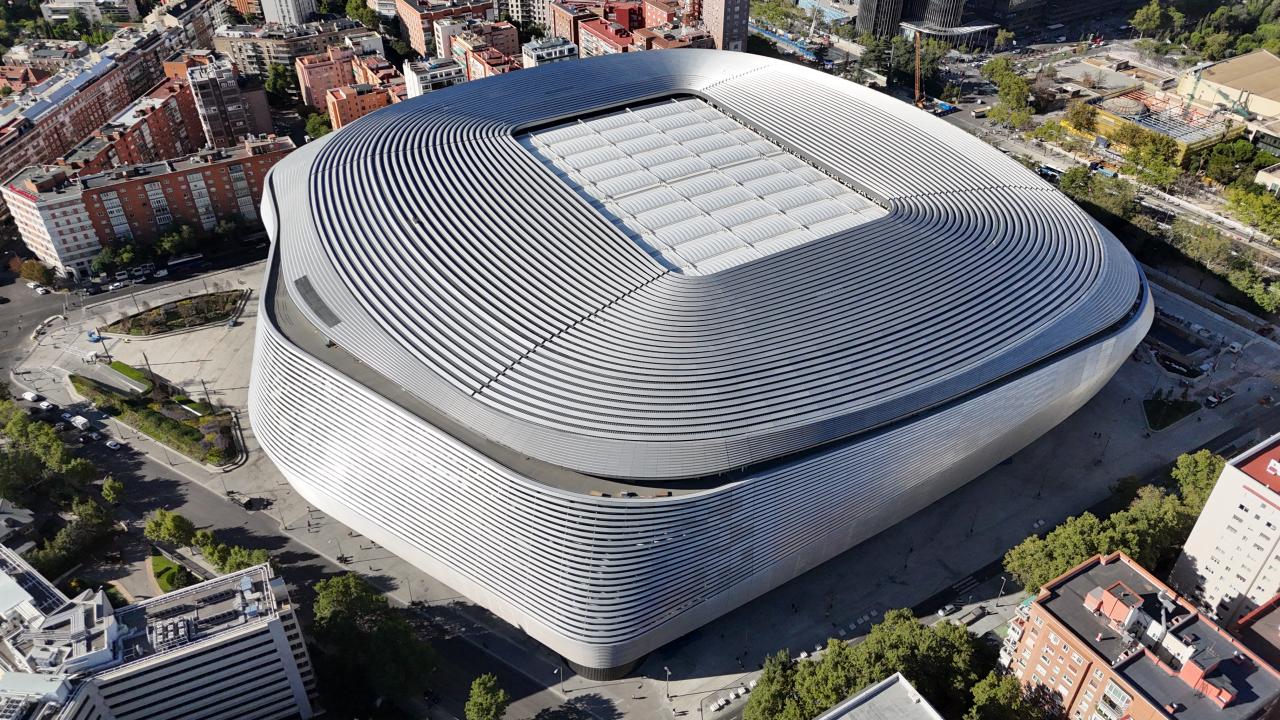
Global Football Icon
Few stadiums in the world have the global recognition of Santiago Bernabéu. For decades, it has been the stage for some of football’s most memorable moments and remains one of Madrid’s most powerful sporting symbols.
A Reimagined Landmark in Madrid
Following its major transformation, Santiago Bernabéu has become much more than a historic stadium. Its striking exterior, innovative design and modern facilities have turned it into a new architectural landmark in Madrid.
More Than a Stadium Experience
Today, the Bernabéu experience goes beyond match day. Visitors can enjoy immersive spaces, panoramic views, exhibitions and leisure areas that make the stadium appealing even for those who are not dedicated football fans.
What to See at Santiago Bernabéu Stadium
Visiting the Santiago Bernabéu means discovering the heart of madridismo and a true masterpiece of modern engineering. The venue has been designed to offer a comprehensive 360° entertainment experience, where visitors can journey from the sporting glory of the past to the innovations of the future. Below, we detail the key highlights you cannot miss during your tour of the stadium.

Bernabéu Tour
Tour de Bernabéu is a unique experience that will allow you to get to know the stadium of Real Madrid, one of the most important clubs in the world.
During the tour, you will be able to tour the stadium's facilities, including the playing field, the changing rooms, the press room, and the presidential box. You will also be able to visit the Real Madrid Museum, where you can learn about the history of the club and see the European Cup that it won in 1956.
The tour begins at the Real Madrid Museum, where you can learn about the history of the club, from its beginnings to the present day. You will see trophies, shirts, boots and other objects that have been used by Real Madrid players.
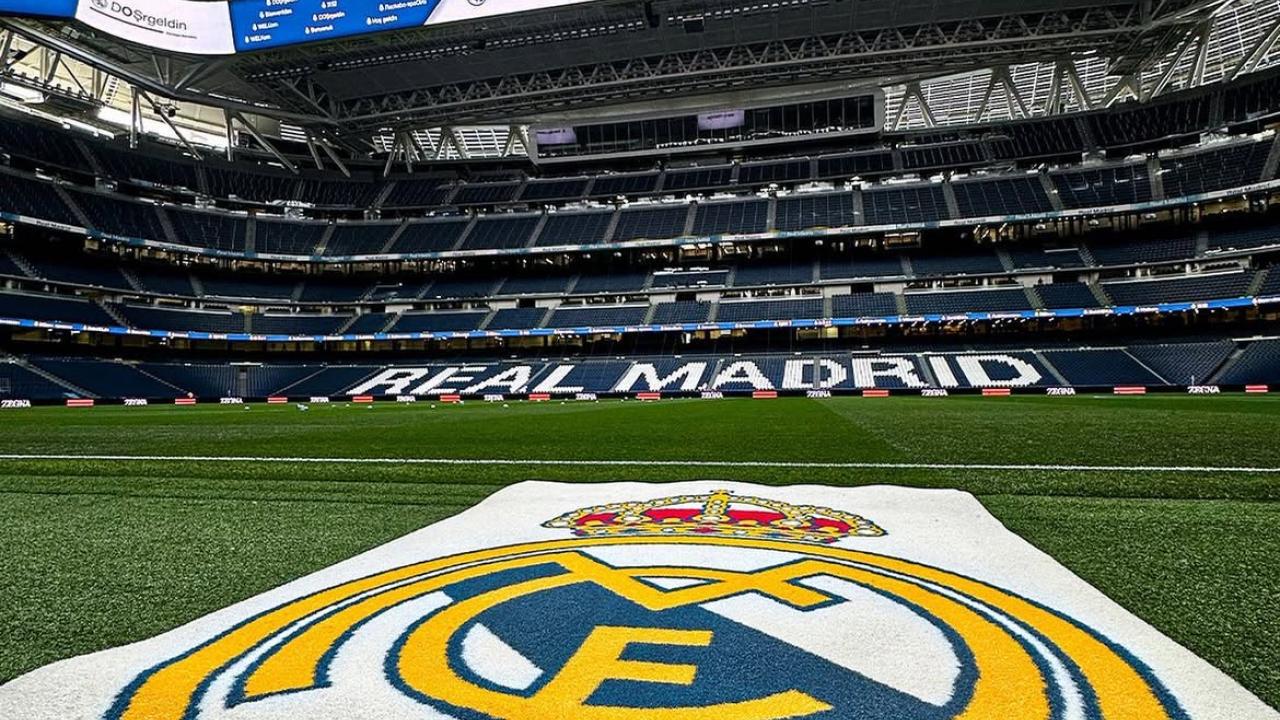
Next, the tour will take you to the playing field. You will be able to step on the grass where the best players in the world play and see the presidential box up close. You will also be able to visit the changing rooms, where the players prepare for the matches.
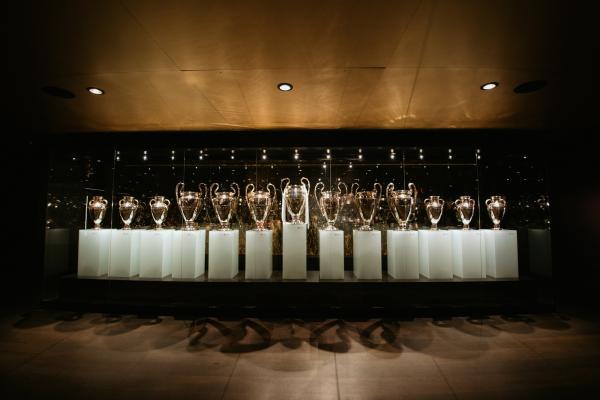
The tour ends in the press room, where you can see how the journalists prepare for the matches. You will also be able to see the trophy room, where the trophies that Real Madrid has won throughout its history are exhibited.
Book your ticket for the Bernabéu Tour and live a unique experience that will leave you speechless.
The Real Madrid Museum
One of the highlights of the visit is the Real Madrid Museum, where visitors can dive into the club’s history, major achievements and unforgettable sporting legacy. It is an essential stop for anyone interested in football culture and international sports history.
Panoramic Views and Stadium Highlights
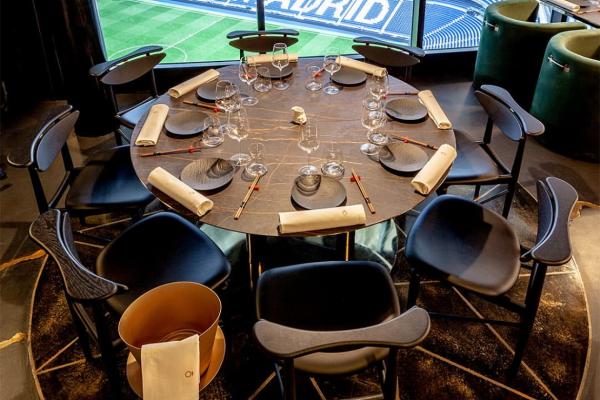
The stadium’s panoramic viewpoints help visitors appreciate both its impressive dimensions and its recent transformation. These spaces add a visual and memorable element to the visit, especially for first-time travelers in Madrid.
Plan Your Visit to Santiago Bernabéu Stadium
Where the Stadium Is
Santiago Bernabéu Stadium is well connected to the rest of Madrid by public transport, making it easy to reach for international visitors. Metro is one of the most convenient options, and the surrounding area is also served by train and several bus lines.
The Santiago Bernabéu Stadium is located on Paseo de la Castellana in the Chamartín district, with its main entrance on Avenida de Concha Espina, 1, in Madrid. It is also right next to the Santiago Bernabéu metro station on Line 10, which makes it easy to reach from many parts of the city.
How to Get There
From central Madrid, including Puerta del Sol, the easiest option is usually the metro: you can connect to Line 10 and get off at Santiago Bernabéu. From Madrid-Barajas Airport, the most practical route is to take the metro to a central interchange such as Nuevos Ministerios and then transfer to Line 10, or take a taxi or private transfer for a faster, direct ride.
Tickets and Tour Options
Before visiting, it is a good idea to check the available ticket options and tour formats. Booking in advance can help travelers organize their day better, especially during weekends, holidays or match days.
FAQ: Questions about Visiting Santiago Bernabéu Stadium
FAQ
Is Santiago Bernabéu Stadium worth visiting if you are not a Real Madrid fan?
Yes. Santiago Bernabéu Stadium is not only a football venue but also one of Madrid’s best-known landmarks. Its architecture, museum experience, panoramic views and cultural significance make it appealing even for visitors who are not especially interested in football.
How much time should you plan for a visit to Santiago Bernabéu Stadium?
Most visitors should allow at least a couple of hours to enjoy the experience comfortably. This gives enough time to explore the main spaces, visit the museum areas and take in the atmosphere without rushing.
Can you visit Santiago Bernabéu Stadium on a match day?
Yes, but the experience may be different depending on the schedule and stadium operations. Some areas can have limited access on match days, so it is always best to check availability and conditions before planning your visit.
What is the best way to get to Santiago Bernabéu Stadium from central Madrid?
Public transport is usually the easiest option. The stadium is well connected by metro, train and bus, which makes it simple for visitors staying in central Madrid to reach the area quickly and comfortably.
What else can you do near Santiago Bernabéu Stadium?
The area surrounding the stadium, located in the vibrant Chamartín district, is the perfect starting point to immerse yourself in the city's pulse. Beyond the pitch, you can indulge in high-end shopping along the nearby Paseo de la Castellana, savor authentic Spanish cuisine in local tapas bars, or explore modern architectural landmarks.
Since your visit to the Bernabéu is just the beginning of your Madrid adventure, be sure to explore our curated list of the best things to see in Madrid. From historic squares to world-class art museums, discover how to seamlessly connect your stadium visit with the city’s most iconic attractions..


