Reina Sofía Museum Madrid: What to See, Guernica and Complete Visitor Guide
The Museo Nacional Centro de Arte Reina Sofía is one of the most important museums in Spain and one of Europe’s leading institutions for modern and contemporary art. Located in the heart of Madrid, the museum attracts millions of visitors every year, especially those eager to see Picasso’s world-famous masterpiece, Guernica.
Visiting the Reina Sofía Museum is essential for anyone interested in the evolution of modern Spanish and European art. The museum houses major works by artists such as Salvador Dalí, Joan Miró, Juan Gris and Ángeles Santos, alongside internationally renowned temporary exhibitions.
Together with the Prado Museum and the Thyssen-Bornemisza Museum, the Reina Sofía forms Madrid’s famous Golden Triangle of Art, one of the most important cultural areas in Europe.
Why Visit the Reina Sofía Museum?

The Reina Sofía Museum is far more than a traditional art museum. It is one of the best places in Europe to understand the development of 20th-century art movements, including surrealism, cubism, avant-garde art and contemporary artistic expression.
The museum also has enormous historical importance. Many of its collections reflect Spain’s political and social history throughout the 20th century, especially during the Spanish Civil War and the post-war period.
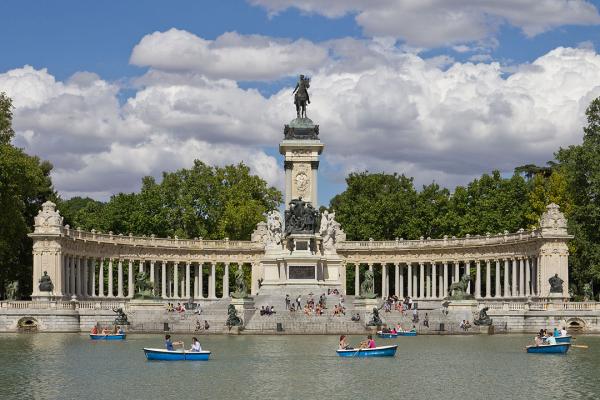
Its central location near Atocha Station and Retiro Park also makes it one of Madrid’s easiest cultural attractions to include in any sightseeing itinerary.
Home to Picasso’s Guernica
The museum’s most famous artwork is undoubtedly Guernica by Pablo Picasso. Painted in 1937, this monumental masterpiece is considered one of the most important anti-war paintings in history.
Thousands of visitors come to the Reina Sofía every day specifically to see Guernica in person. Its emotional impact, symbolic imagery and historical importance make it one of the most unforgettable experiences in Madrid.
One of Europe’s Best Contemporary Art Museums
The Reina Sofía houses one of Europe’s most important collections of modern Spanish art. Visitors can explore works by Picasso, Dalí, Miró, Juan Gris and Julio González while discovering the evolution of modern artistic movements.
The museum also hosts major contemporary art exhibitions, installations and audiovisual projects from international artists.
A Unique Architectural Space
The museum combines the historic Sabatini building, originally an 18th-century hospital, with modern architectural extensions designed by Jean Nouvel. This contrast between classical and contemporary architecture creates one of Madrid’s most visually striking museum spaces.
Guernica at the Reina Sofía Museum
Talking about the Reina Sofía Museum means talking about Guernica. Picasso’s masterpiece is one of the world’s most famous paintings and one of the most important works in Spanish contemporary history.
The painting was created for the Spanish Pavilion at the 1937 Paris International Exposition following the bombing of the Basque town of Guernica during the Spanish Civil War.
Today, the artwork is displayed in a specially designed room inside the Reina Sofía Museum and remains the museum’s main attraction.
Why Is Guernica So Important?
Guernica has become an international symbol against war, violence and human suffering. Beyond its artistic value, the painting represents one of the strongest political and emotional statements in modern art.
Its influence on art history and popular culture remains enormous decades after its creation.
Where to See Guernica Inside the Museum
The painting is located inside the Sabatini building as part of the museum’s permanent collection dedicated to Picasso and the historical avant-garde.
Visitors can also explore preparatory sketches and related works that help explain Picasso’s creative process.
Tips for Visiting Guernica
The Guernica room is usually the busiest area in the museum. Visiting early in the morning or later in the afternoon is often the best way to avoid crowds.
It is also worth spending time exploring the surrounding galleries to better understand the political and artistic context behind the painting.
What to See at the Reina Sofía in a Short Visit
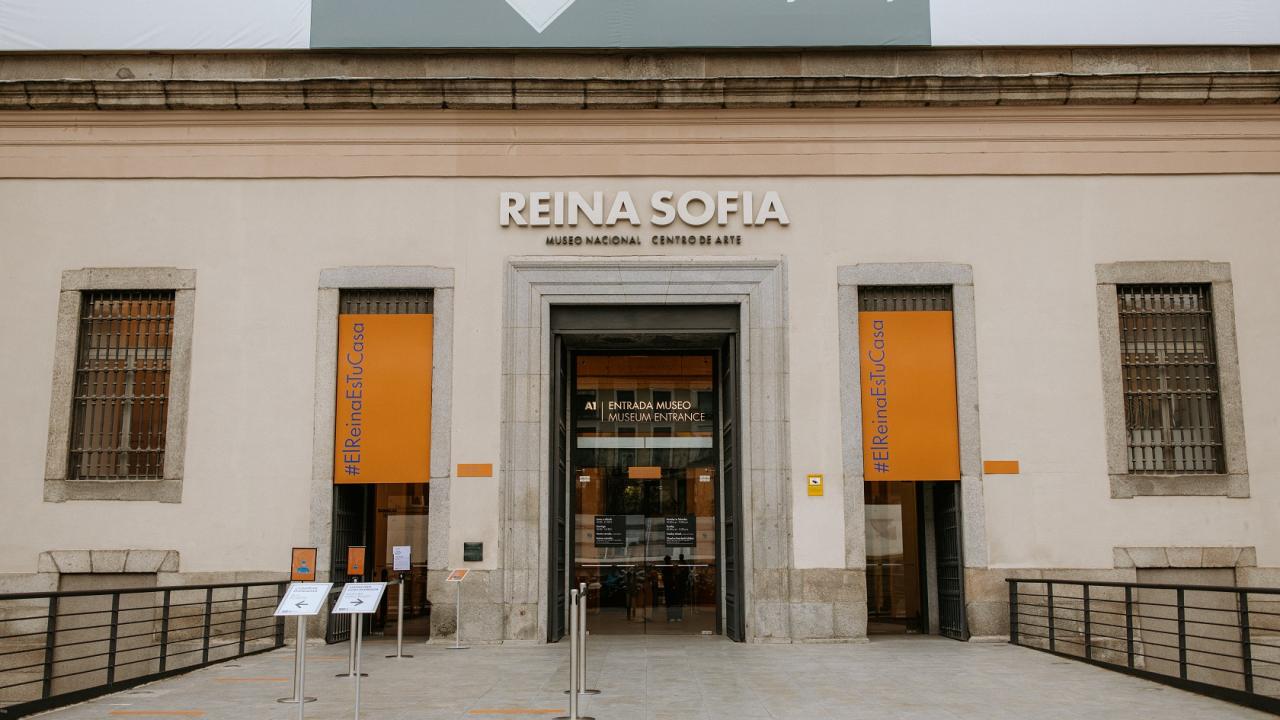
Although the museum is enormous, it is possible to enjoy a highlights tour in just two or three hours.
A shorter visit should focus on the museum’s most iconic artworks and key modern art movements.
Must-See Artworks at the Reina Sofía
In addition to Guernica, visitors should not miss:
- Surrealist works by Salvador Dalí
- Paintings by Joan Miró
- Cubist art by Juan Gris
- Sculptures by Julio González
- Contemporary installations and temporary exhibitions
Each section of the museum offers a different perspective on the development of modern art in Spain and Europe.
Recommended 2-Hour Route
If you have limited time, start with the Guernica galleries before continuing to the surrealist and avant-garde collections.
The visit can end with one of the museum’s temporary exhibitions or outdoor terrace areas.
What to See on Your First Visit
First-time visitors should focus on the museum’s most famous works instead of trying to explore every gallery in a single day.
The Reina Sofía is one of Madrid’s largest museums and deserves a relaxed visit.
How to Get to the Reina Sofía Museum
The Reina Sofía Museum is located in central Madrid and is extremely well connected by public transport.
Its proximity to Atocha Station makes it easily accessible for both tourists and local visitors.
Getting There by Metro
The nearest metro stations are Estación del Arte and Atocha.
Both stations are only a short walk from the museum entrance.
Getting There by Train
Madrid-Atocha train station is located next to the museum, making the Reina Sofía very easy to reach from other Spanish cities via high-speed AVE trains or commuter rail services.
Walking from the Prado Museum or Retiro Park
One of the best cultural walks in Madrid connects the Prado Museum, Retiro Park and the Reina Sofía along the Paseo del Prado.
Tickets and Opening Hours for the Reina Sofía Museum
The Reina Sofía is one of Spain’s most visited museums, so planning ahead is strongly recommended.
Weekends, holidays and peak tourist seasons can become especially crowded.
Where to Buy Tickets
Buying tickets online is the best way to avoid long queues and guarantee entry.
Many visitors also choose combined museum passes including the Prado or Thyssen museums.
Free Admission Hours
The museum offers free admission time slots that attract many visitors every day. The museum is closed on Tuesdays, while free entry is available from 7:00 PM to 9:00 PM, Monday to Saturday, and on Sundays from 12:30 PM to 2:30 PM.
These free admission periods are usually very busy, so arriving early is highly recommended. Visitors should also check the official website before their visit, as opening hours may change.
Best Time to Visit the Museum
The quietest moments are usually early in the morning and during weekdays.
Avoiding weekends can make the experience far more enjoyable.
Discover the Architectural Icons of the Reina Sofía Museum

Sabatini Building
Originally built in the 18th century as the Hospital of San Carlos, this historic building takes its name from architect Francisco Sabatini. Its neoclassical design and long history as a hospital until 1965 make it one of Madrid’s most interesting architectural landmarks.
In 1980, the building was renovated and adapted for use as a museum, and in 1990 it officially became part of the Reina Sofía Museum. Today, the Sabatini Building is home to some of the museum’s most important collections, including Picasso’s famous Guernica.

Nouvel Building
Designed by architect Jean Nouvel, this modern building was inaugurated in 2005 and complements the historic Sabatini Building. It features large exhibition spaces, a library, a documentation center, a bookstore, administrative offices, a café-restaurant and two auditoriums.

Crystal Palace, a branch of the museum in El Retiro Park
Located in Retiro Park, this striking glass-and-metal building was constructed in 1887 for the Philippine Exposition. Today, it is used for temporary exhibitions and remains one of the most unique and visually impressive spaces associated with the museum.

Velázquez Palace, a branch of the museum in El Retiro Park
Also located in Retiro Park, this historic palace was built between 1881 and 1883 for the National Mining Exhibition. Like the Crystal Palace, it is now used as a venue for temporary art exhibitions.
Frequently Asked Questions About the Reina Sofía Museum
Is the Reina Sofía Museum Worth Visiting?
Yes. It is one of Spain’s most important museums and a world-class destination for modern and contemporary art lovers.
How Long Does It Take to Visit the Reina Sofía?
Most visitors spend between two and four hours exploring the museum, although a complete visit can easily take an entire day.
Where Is Guernica Located?
Guernica is displayed inside the Sabatini building as part of the museum’s permanent collection.
What Is the Best Time to Visit the Reina Sofía Museum?
Early mornings and weekdays are usually the best times to avoid large crowds.
Can You Take Photos Inside the Reina Sofía?
Photography is allowed in some areas, although restrictions may apply in specific exhibitions or galleries.
What Museums Are Near the Reina Sofía?
Nearby attractions include the Prado Museum, the Thyssen-Bornemisza Museum and CaixaForum Madrid.