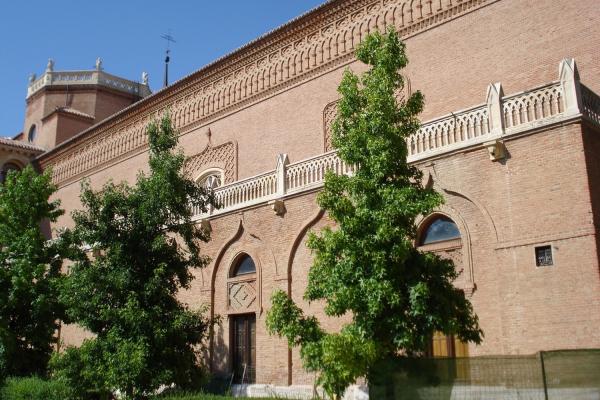
The Medieval Walls of Alcalá de Henares stand as one of the city’s most significant historic landmarks and a defining testament to its strategic military origins. Although only select sections survive today, this formidable fortification system provides an immersive look into Alcalá’s urban evolution, charting its rise from an ancient Islamic stronghold to one of the most influential strongholds of the Kingdom of Castile.
This monument remains a cornerstone of the historic enclave that earned Alcalá de Henares its prestigious designation as a UNESCO World Heritage Site. Walking beneath its preserved watchtowers allows travelers to trace the multicultural tapestry that shaped the identity of the modern-day Madrid region.
What Are the Medieval Walls of Alcalá de Henares?

The Medieval Walls of Alcalá de Henares represent the ancient fortification system that safeguarded the city throughout the Middle Ages. Its original perimeter enclosed the urban core, serving as a vital line of defense during both the Andalusi period and the subsequent Christian era under the rule of the Archbishops of Toledo.
Although centuries of urban expansion eventually absorbed portions of the original compound, the preserved curtain walls and watchtowers still standing allow visitors to trace the medieval layout within the historic center of Alcalá de Henares, offering a fascinating, open-air military history museum.
History of the Alcalá City Walls from the Middle March to the Kingdom of Castile
Islamic Origins and Strategic Military Function
The fortress walls trace their roots back to the Andalusi period (Al-Qalat abd al-Salam), a time when Alcalá served as a vital strategic outpost within the territory known as The Middle March (La Marca Media). Its primary military function was to command and safeguard the passage through the Henares Valley, protecting the borderlands from the advancing Christian kingdoms of the north.
Transformation and Splendor Under Christian Rule
Following the 12th-century conquest, the defensive perimeter was not only preserved but significantly reinforced and remodeled by the Archbishops of Toledo. The fortification transformed into a protective ring shielding the Archbishop's Palace and the medieval villa, embedding itself seamlessly into the socio-political and urban development of medieval Alcalá.
Urban Evolution and Modern-Day Conservation
With the dawn of the Renaissance and the prestigious founding of the University, Alcalá expanded far beyond its medieval boundaries. While vast sections of the masonry were dismantled to facilitate urban growth, the beautifully preserved curtain walls and watchtowers have been fully rehabilitated, standing today as one of the city's premier cultural tourism landmarks.
What to See at the Alcalá de Henares Medieval Walls: Key Highlights
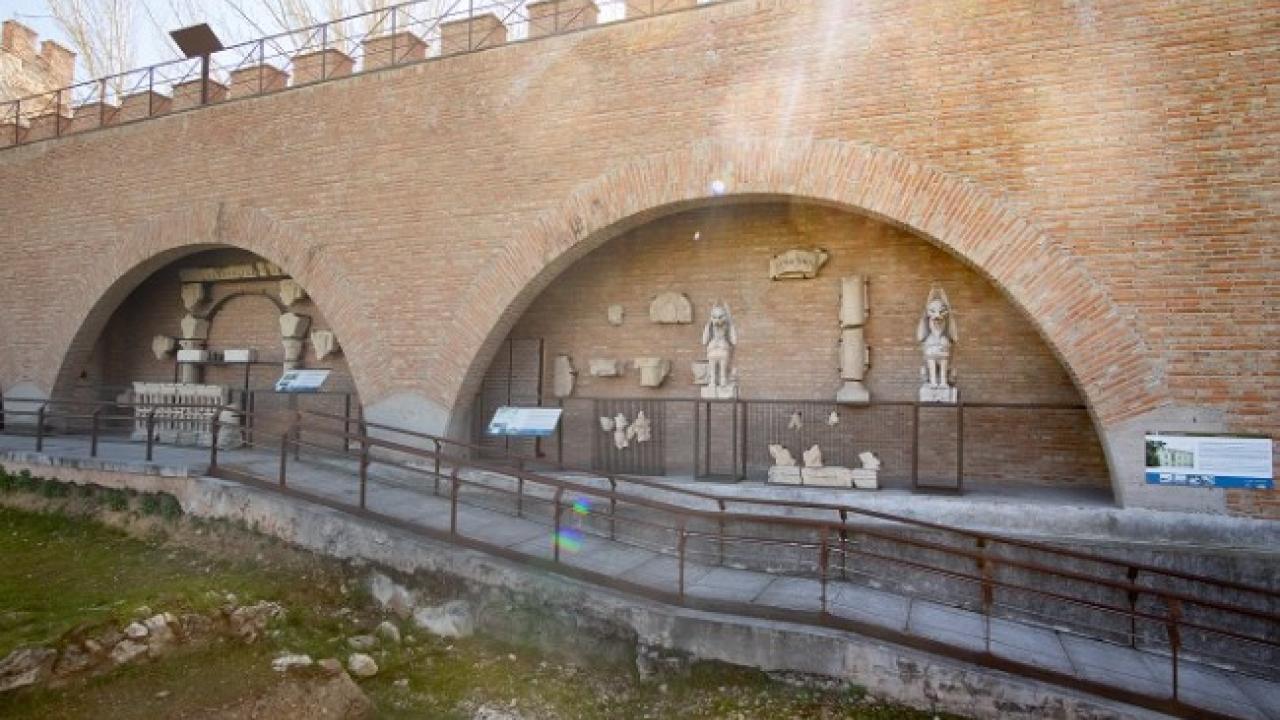
The Walled Precinct of the Archbishop's Palace
The premier and most fiercely preserved section of the fortifications tightly encompasses the Archbishop's Palace. Here, travelers can marvel at an imposing curtain wall flanked by 16 square watchtowers that dominate the promenade, capturing the most iconic, formidable snapshot of Alcalá’s military architecture.
The Antiquarium and the Rampart Walk
Consistently rated as one of the top things to do in Alcalá de Henares, the Antiquarium is an unmissable experience. This archaeological space grants access to scale the medieval fortifications and walk along the ancient ramparts (adarve), offering sweeping views from the very stone towers where sentinels stood guard centuries ago.
The Madrid Gate (Puerta de Madrid)
Seamlessly woven into the original medieval defense network, the grand 18th-century Madrid Gate stands proudly on the historic site of the city's main gateway. Today, this monumental neoclassical arch serves as a striking visual portal connecting ancient Alcalá with its vibrant modern counterpart.
Centering Your Cultural Itinerary Around the Medieval Walls
The Medieval Walls of Alcalá de Henares serve as the ideal starting point to understand the city's origins before diving into its prestigious university era. They seamlessly integrate into any walking tour itinerary that includes:
- The Archbishop's Palace: Whose towering medieval walls are, in fact, an extension of the original fortification system itself.
- The Archaeological and Paleontological Museum of the Madrid Region: Conveniently located just steps away from the historic site.
- The Magistral Cathedral: The enduring spiritual heart of the ancient walled enclave.
To seamlessly plan your full journey, consult our comprehensive Alcalá de Henares Travel Guide.
Practical Information for Visiting the Alcalá Medieval Walls
Location
The main preserved sections are located along Calle Andrés Saborit and tightly surrounding the Plaza del Palacio.
Recommended Visit
Access to the exterior sections of the wall is completely free of charge. To scale the fortifications and explore the Antiquarium, we highly recommend checking the official opening hours in advance.
Best Way to Experience It
We suggest starting your self-guided tour at the Madrid Gate (Puerta de Madrid) and following the curtain wall to the Archaeological Museum. This route offers the absolute best vantage point to appreciate the formidable scale of the ancient fortress.