The Monastery of San Bernardo as a Baroque Gem in Alcalá de Henares
The Monastery of San Bernardo stands as one of the most unique and fascinating religious complexes within the rich historic heritage of Alcalá de Henares. Located right in the heart of the city, this monumental building is a cornerstone of the architectural legacy that solidified Alcala's status as a UNESCO World Heritage site.
Popularly known as the "Las Bernardas" Convent, this 17th-century Baroque monastery captivates visitors with its groundbreaking architecture and its deep ties to the cultural history of the Madrid Region. It is, without a doubt, a must-visit landmark for travelers seeking off-the-beaten-path things to do in Alcalá de Henares.
To discover all the monuments and seamlessly map out your route, consult our comprehensive Alcalá de Henares Travel Guide.
What Is the Monastery of San Bernardo
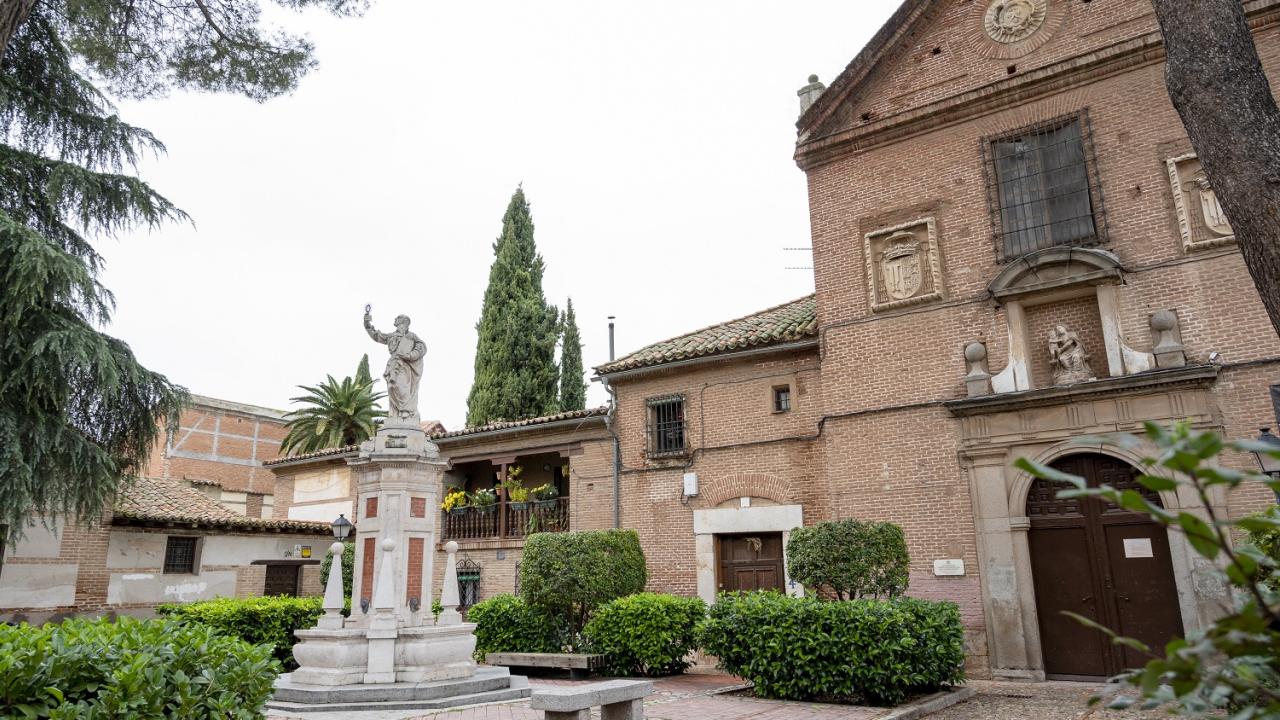
The Monastery of San Bernardo is a historic convent founded in 1617 under the prestigious patronage of Cardinal Bernardo de Sandoval y Rojas, who served as the Archbishop of Toledo and Grand Inquisitor.
The building represents one of the pinnacle examples of Madrid-style Baroque architecture. Its historical significance lies in how it shattered the traditional architectural conventions of the era, becoming a cornerstone within the UNESCO-listed historic center of Alcalá de Henares—a place where cloistered silence meets pure architectural genius.
History of the Monastery of San Bernardo and the Cardinal's Vision
A 17th-Century Monastery Tied to Ecclesiastical Power
The construction of the monastery was part of an ambitious religious and urban development project driven by the Church during the Early Modern Period. Cardinal Sandoval y Rojas sought to create a monument that reflected the prestige of the Cistercian Order and Alcalá's prominence as a premier university town and spiritual hub.
Baroque Architecture of Exceptional Distinction
What truly makes this monastery unique is its striking oval floor plan, a rare and exceptional masterpiece within Spanish conventual architecture of its time. The design, attributed to the renowned royal architect Juan Gomez de Mora, stands out for its harmonious spatial organization and an imposing dome that dominates the skyline of the historic center.
A Cloistered Space of Priceless Heritage
For over four centuries, the monastery has impeccably preserved its original essence. Although its primary function has always been centered on contemplative life, its pristine preservation allows travelers today to admire one of the purest and best-preserved Baroque interiors in the entire Madrid Region.
What to See at the Monastery of San Bernardo Including Its Art and Heritage
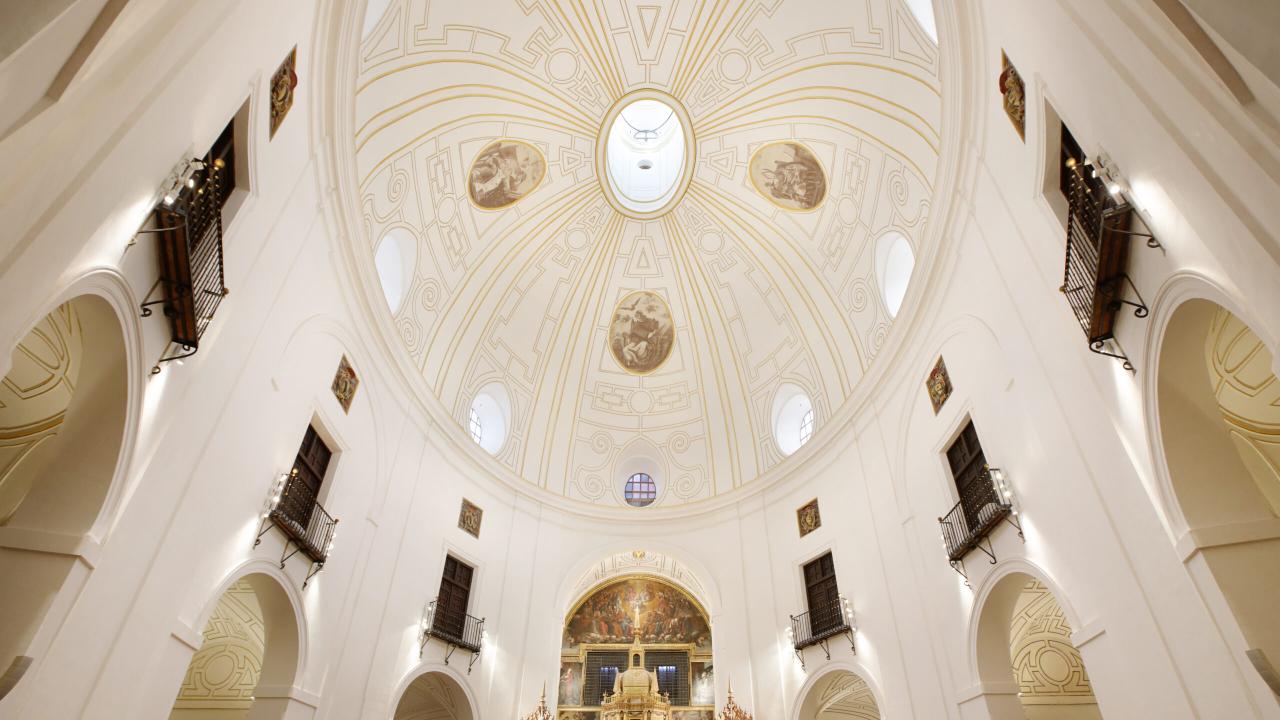
Interior Architecture and the Grand Elliptical Dome
Upon entering the church, the gaze is inevitably drawn upward toward its spectacular dome. The elliptical design was not only a groundbreaking engineering feat for its time, but it also creates immersive acoustics and lighting that beautifully heighten the mystical atmosphere of the building.
Religious Art and the Las Bernardas Museum
The interior safeguards an artistic heritage of priceless historical value. Highlighting the collection:
- The High Altar: A Baroque masterpiece showcasing Angelo Nardi's magnificent master canvases.
- Silver and Ebony Chests: Sumptuous, ornate pieces donated directly by the House of Habsburg.
- The Cloister: A tranquil sanctuary that impeccably preserves its original 17th-century layout.
A Unique Enclave in the Historic Center
Situated directly opposite the Archbishop's Palace, its striking brick and stone facade—characterized by a sober yet elegant style—stands as an essential stop on any cultural walking tour through Alcala's historic quarter.
The Monastery of San Bernardo on Your Alcalá de Henares Itinerary
A visit to the monastery is the perfect complement to understanding Alcalá during the Counter-Reformation. Thanks to its central location, you can easily integrate it into an inspiring historic walking tour that includes:
- The Archbishop's Palace (located directly opposite).
- The Regional Archaeological Museum.
- The Magistral Cathedral.
To plan your complete itinerary and check opening hours, visit our dedicated Alcalá de Henares Section.
Essential Visitor Information for Your Visit to the Monastery
- Location and Address: Plaza de las Bernardas, s/n. The monument is situated right in the heart of the monumental zone, just a short walk from the historic "Puerta de Madrid" Madrid gate.
- Admission and Visitor Access: As the building features active cloistered areas alongside its major museum, entry is typically organized through scheduled slots. We highly recommend booking guided tours in advance to secure access to the breathtaking church interior and the cloister.
- Insider Travel Tip: Do not miss the striking contrast between the austere stone exterior and the lavishly ornate wealth of its interior—this unique counterpoint captures the very essence of Madrid-style Baroque architecture.