

El Rastro: Discover Madrid's Most Iconic Flea Market
The Rastro
El Rastro is the flea market par excellence, its origin dates back to the Middle Ages and today it is one of the icons of the capital. Come on a Sunday to the neighborhood of La Latina, around the Plaza de Cascorro and you will find stalls with stamps, jewelry, ethnic clothing, fans, movie posters, vinyl records of Spanish discography of all time, the smell of leather Moroccan crafts, collectibles of all kinds, and much more.
Origin and History: Why is it called "El Rastro"?
The name of this market is no accident; it is closely linked to the area’s industrial past. El Rastro was born over 400 years ago as a market for used goods, but its name comes from the activity of the old slaughterhouses that were once located in the neighborhood.
When the cattle were transported from the slaughterhouse to the tanneries (where hides were tanned in what is now Ribera de Curtidores), they left a "rastro" (trail) of blood along the way. This visual trail on the ground eventually gave the area its popular name and, subsequently, named the street market that established itself there. Over the centuries, El Rastro has evolved from a trade center for hides and pelts into a unique cultural ecosystem, protected today as Cultural Heritage of the People of Madrid.
Specialized Street Map: What to buy and where?
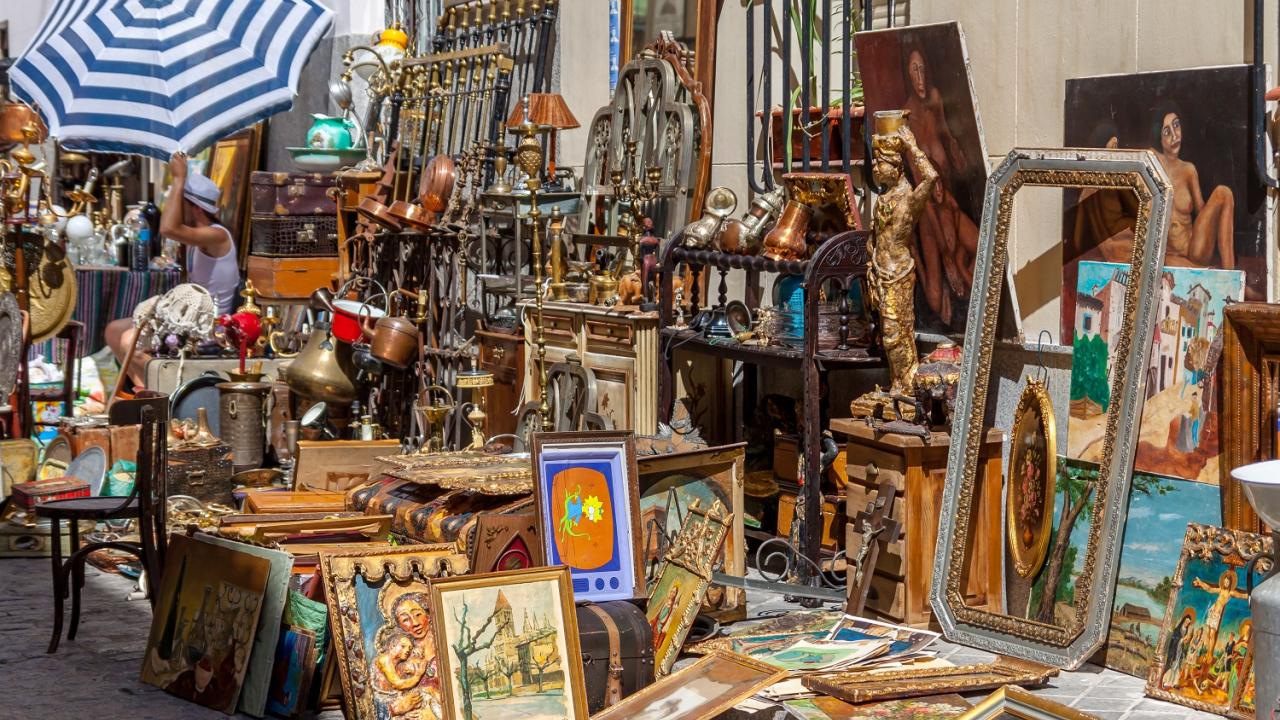
Although it may seem chaotic, El Rastro is organized by traditional zones. If you are looking for something specific, these are the streets you should know:
Ribera de Curtidores: The main hub
This is the widest and busiest artery. Here you will find everything: new clothes, footwear, backpacks, hardware, and outdoor gear. On both sides of the street, you will find famous antique shops and galleries (such as Galerías Piquer) hiding art pieces and designer furniture.
Calle de San Cayetano: The painters' street
If you are an art lover, this is your place. Stalls and shops here concentrate on oil paintings, canvases, prints, and all kinds of artist supplies. It is one of the most charming and colorful streets in the market.
Calle de Rodas and Plaza del Campillo: Pure collecting
Looking for vintage trading cards, decades-old magazines, coins, or stamps? These areas are a collector’s paradise—the perfect spot to hunt for paper treasures and nostalgia.
Calle de Carlos Arniches and Vara del Rey: Books and vintage clothes
Ideal for fans of retro fashion and second-hand books. This is a favorite area for the younger, bohemian crowd looking for unique pieces at bargain prices.
Tips for your visit to El Rastro
The art of bargaining: While difficult at stalls selling new clothes, in the antique and second-hand areas, haggling is part of the game. Give it a try—always with respect!
Mind your belongings: As with any large-scale event in major world capitals, it is advisable to keep your personal items in sight and your backpacks securely closed for a worry-free stroll.
The value of personal interaction: At the antique and used goods stalls, chatting with the seller is part of the experience. Asking about a piece's history is often the start of a great purchase.
Gastronomy and tradition: El Rastro doesn't end at the stalls. When the day is done, the best plan is to head to the squares of La Latina to enjoy a traditional Madrid "aperitivo."
Use public transport: Due to traffic restrictions, the Metro is the most convenient option. La Latina (L5), Tirso de Molina (L1), and Puerta de Toledo (L5) stations put you just steps away from the action.
Where to eat after El Rastro: The "Aperitivo" ritual and century-old spots
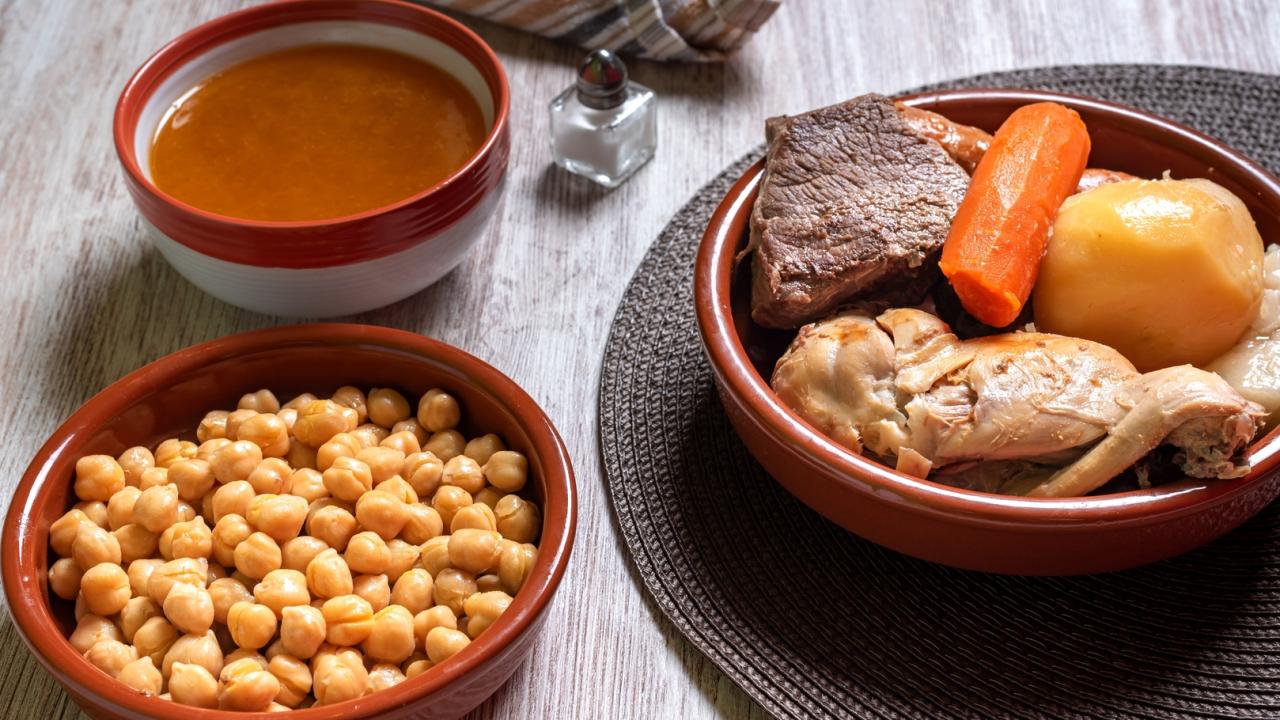
Sunday doesn't end when the stalls pack up. The true finale is the "tardeo" or aperitif in the surrounding area. La Latina and Embajadores boast some of the most famous century-old taverns and restaurants in the capital, where time seems to have stood still.
Century-Old Restaurants and Taverns
If you are looking for a sit-down meal with the full flavor of old Madrid, these are the landmarks:
Malacatín (Since 1895). Address: Calle de la Ruda, 5. Specialty: One of the temples of the three-course Madrilenian stew (cocido).
Casa Lucio (Since 1974 - Historic site over an ancient inn). Address: Calle de la Cava Baja, 35. Specialty: Their world-famous "huevos rotos" (broken eggs).
Posada de la Villa (Since 1642). Address: Calle de la Cava Baja, 9. Specialty: Their roast suckling lamb cooked in a holm oak wood-fired oven.
Famous Taverns for Tapas and Vermouth
For a more dynamic plan of sharing "raciones" (platters), these century-old taverns are neighborhood pillars:
Taberna Antonio Sánchez (Since 1787). Address: Calle de Mesón de Paredes, 13. Specialty: The oldest un-renovated tavern in Madrid. You must try the bull’s tail and their famous "torrijas".
Casa Alberto (Since 1827). Address: Calle de las Huertas, 18. Specialty: Their Madrilenian tripe (callos) and vermouth on tap. It is located in the building where Miguel de Cervantes once lived.
Bodegas Ricla (Since 1867). Address: Calle de Cuchilleros, 6. Specialty: Their anchovies in vinegar and high-quality gourmet preserves.
El Amistad (Famous for Snails). Address: Calle de Toledo, 106. Specialty: Though generations have passed through, their big draw remains the snails in sauce.
Frequently Asked Questions about El Rastro
What time does El Rastro in Madrid close?
Stalls begin to pack up around 2:30 PM, with most being closed by 3:00 PM.
Does El Rastro open if it rains?
Yes, El Rastro takes place rain or shine, although some stalls with delicate paper or antiques may not set up if the weather is very severe.
Where does El Rastro start and end?
The heart of the market is Plaza de Cascorro (start), and it runs down Ribera de Curtidores to Ronda de Toledo (end).
Is it near El Retiro Park?
It is about a 25-minute walk or 10 minutes by public transport. Many visitors spend the morning at the market and then head to El Retiro Park to relax.
What is a good original souvenir to buy?
Beyond typical t-shirts, look for vintage prints of Madrid on Calle San Cayetano or antique glass siphons in the galleries.
Is El Rastro one of Madrid's "must-sees"?
Without a doubt. Along with Plaza Mayor and Gran Vía, it is part of the essential places to visit in Madrid that every traveler should experience to understand local life.
Images

Photo: The Rastro

Photo: Christmas market


