Guide to Train Travel in the Region of Madrid
Discover Madrid on Rails: High-Speed Travel Experience
Learn everything you need to know about traveling by train in Madrid and its surroundings, including essential information on Commuter Rail (Cercanías), high-speed AVE trains, historic tourist trains, and recommended routes.
The Madrid railway network is the engine that connects the capital with its local municipalities and the rest of Spain. Traveling by train through the Region of Madrid is not only the fastest and most sustainable option but also the best way to discover the cultural landscapes and UNESCO World Heritage Cities that surround the metropolis.
Spain's High-Speed Hub: Connecting 56 Destinations
The city of Madrid is connected to 56 destinations across Spain via five major high-speed corridors (Atlantic, Northeast, East, South, and Southwest). These routes offer highly competitive travel times and excellent service quality, driving both tourism and business activity. The Atocha and Chamartín stations serve as the undisputed epicenter of the Spanish High-Speed Rail network.
Regional and Mid-Distance Connections
Mid-Distance lines depart from Atocha, Chamartín, and Príncipe Pío stations, providing rail links from Madrid to medium and smaller-sized cities. These regional connections complete the railway network, ensuring train access for a wide population and allowing travelers to reach unique tourist destinations off the beaten path.
A new window will open
High-Speed Trains Travel Experience
Arriving in Madrid by high-speed train is a seamless, comfortable, and efficient experience. The Spanish capital boasts world-class connectivity through the AVE (Alta Velocidad Española) network, primarily operated by Renfe, alongside newer high-speed operators such as Iryo and Ouigo.
These modern trains provide rapid, direct links from numerous major cities across Spain, including Barcelona, Valencia, Seville, Malaga, and Zaragoza. By choosing rail travel, visitors can reach the heart of Madrid in significantly reduced travel times compared to other modes of transport.
Major High-Speed Hubs: Atocha and Chamartín
Madrid’s primary high-speed railway terminals are Puerta de Atocha-Almudena Grandes and Chamartín Clara Campoamor. Both stations are equipped with premium passenger amenities and offer excellent connections to the city’s public transport network (Metro, buses, and taxis), making it incredibly easy to begin your exploration of the Region of Madrid as soon as you step off the train.
 High-Speed Travel Experience
The Commuter Rail Network: The Heart of Madrid’s Transport
The Madrid Commuter Rail Network (Cercanías) is one of the most efficient transport infrastructures in Europe. With 9 lines crossing the region from north to south and east to west, it connects strategic landmarks such as Madrid-Barajas Airport, the Sierra de Guadarrama, and the metropolitan south.
For travelers, understanding the Cercanías map is key to moving with agility. The network operates in an integrated manner, allowing quick transfers between lines at major interchanges. Among them, the central hub organizing rail traffic toward the north of the peninsula and connecting with the Madrid financial district is the Madrid Chamartín Station, a mandatory stop for any user seeking efficiency and speed.
Key Facts and Regional Connectivity
This extensive network spans 370 kilometers, 10 lines, and 90 stations (20 of which offer direct connections to the Madrid Metro and Light Rail). It links the capital with the main towns of the Region of Madrid and even reaches locations in the neighboring provinces of Guadalajara and Segovia.
Tourism by Train: World Heritage and Nature
Cercanías Madrid is an essential transport mode for reaching a vast number of tourist resources and historic towns in our region, including the UNESCO World Heritage sites of Alcalá de Henares, Aranjuez, and El Escorial.
Furthermore, it offers unique experiences like the C9 line, which winds through the Sierra de Guadarrama National Park, traveling from Cercedilla to the Cotos Pass in Rascafría—the perfect gateway to high-mountain nature.
A new window will open
Madrid Chamartín Clara Campoamor Station: Your Connection Hub
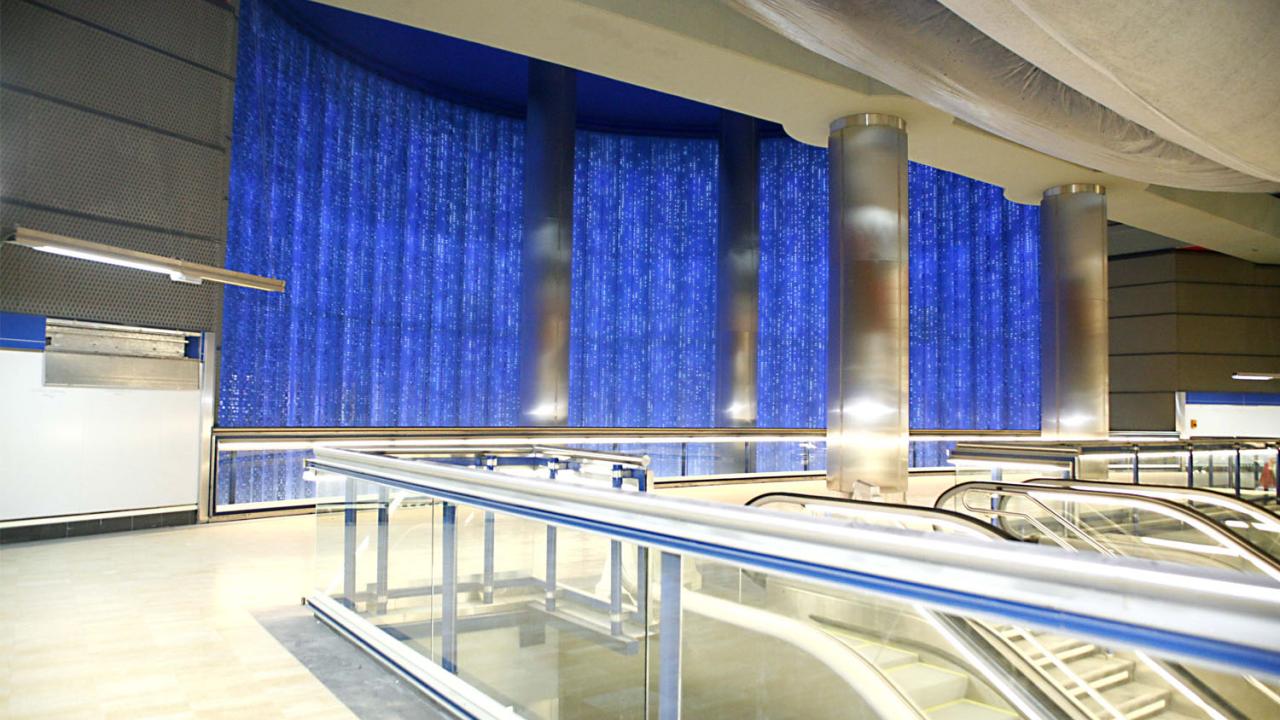
The Madrid Chamartín Clara Campoamor Station is much more than a simple train stop; it is the grand operational center for rail transport in northern Madrid. If your route through the Region includes northern destinations or requires high-speed connections, this station will be your primary point of reference.
What does Chamartín offer to rail passengers?
Chamartín is not only the departure point for Cercanías (Commuter Rail) trains to historic destinations like Alcalá de Henares, Alcobendas, or El Escorial, but it is also the origin of Long-Distance and AVE (High-Speed) trains connecting Madrid with Galicia, Asturias, Cantabria, and the Basque Country.
Total Connectivity and Modern Facilities
Thanks to its recent renovation, accessing high-speed services from the Commuter network is more intuitive than ever. This has consolidated Chamartín as the favorite station for travelers who value seamless connectivity with the Madrid Metro and the city's extensive urban bus network.